Luxury travel means different things in different parts of the world. In some destinations, luxury revolves around iconic hotels, fine dining, and sophisticated urban experiences. In others, it is defined by wildlife encounters, desert landscapes, private islands, or wellness retreats. As international travelers become increasingly experienced and selective, many are beginning to compare destinations not only by accommodation standards but also by the uniqueness of the experiences available.
India has emerged as one of the most compelling luxury destinations precisely because it offers something fundamentally different from traditional luxury markets. While Europe, Africa, and the Middle East continue to attract affluent travelers, India occupies a unique position by combining extraordinary cultural depth, historical significance, wildlife, spirituality, architecture, and personalized travel opportunities within a single journey.
Unlike many destinations where luxury is primarily associated with exclusivity and comfort, luxury travel in India often becomes deeply emotional and transformative. Travelers leave not only with beautiful photographs and memorable hotel stays but also with stories, perspectives, and cultural experiences that remain meaningful long after the journey ends.
Understanding how Luxury Travel India differs from Europe, Africa, and the Middle East helps travelers determine whether India aligns with their expectations and travel goals. For many experienced travelers, these differences are precisely what make India so attractive.
Europe Delivers Elegance While India Delivers Diversity
Europe has long been regarded as one of the world's premier luxury travel regions. Cities such as Paris, Rome, London, Venice, Vienna, and Barcelona offer world-class hotels, fine dining, luxury shopping, and centuries of cultural heritage. Travelers appreciate Europe's infrastructure, accessibility, and refined hospitality standards.
Luxury travel in Europe is often built around elegance and predictability. Historic architecture, renowned museums, Michelin-starred restaurants, luxury boutiques, and scenic landscapes create highly polished travel experiences. Travelers know what to expect and can move comfortably between destinations.
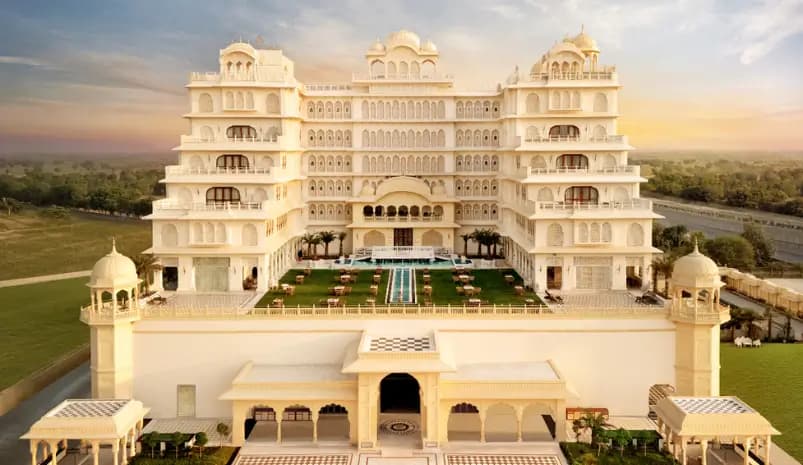
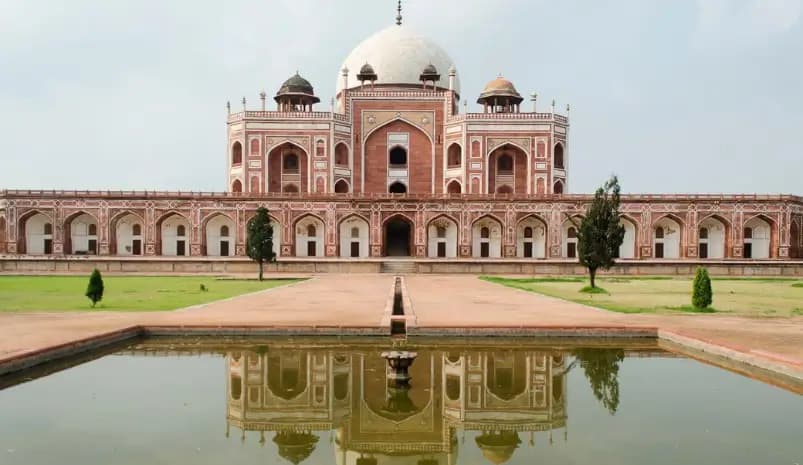
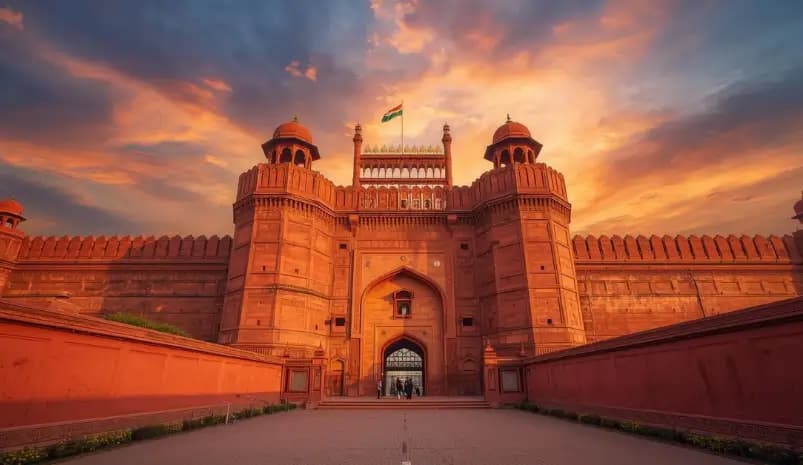
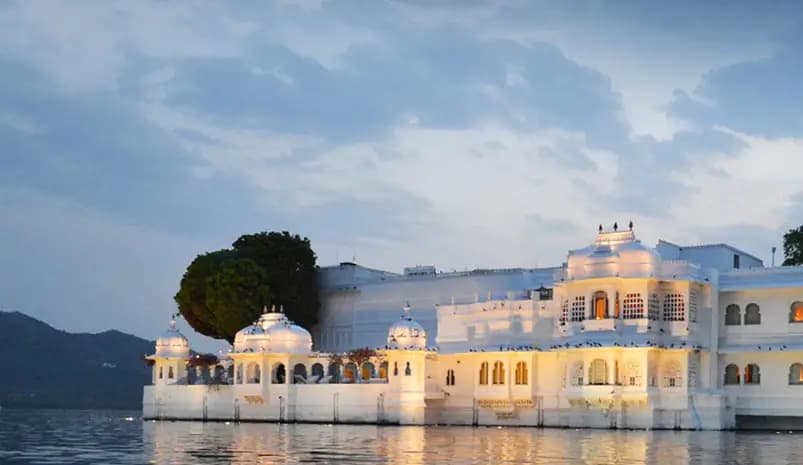
India approaches luxury from an entirely different direction. Instead of delivering a consistent travel environment, India presents extraordinary diversity. A single itinerary may include royal palaces, bustling markets, ancient temples, tiger safaris, luxury trains, remote villages, and tropical backwaters. Every destination introduces a new atmosphere, culture, cuisine, and visual identity.
For example, a traveler moving between Delhi, Jaipur, Udaipur, Varanasi, and Kerala experiences dramatic contrasts that would normally require visiting multiple countries elsewhere. This diversity creates a sense of discovery that many seasoned travelers find particularly rewarding.
Another important distinction involves historical interaction. In Europe, travelers often observe history through museums, monuments, and preserved districts. In India, history frequently remains part of daily life. Ancient traditions, festivals, artisan communities, and royal heritage continue functioning as living elements of society rather than purely historical attractions.
Many travelers who have extensively explored Europe find India Luxury Tours appealing because they provide something less predictable and considerably more immersive. Rather than revisiting familiar luxury formats, India offers experiences that feel genuinely distinct.